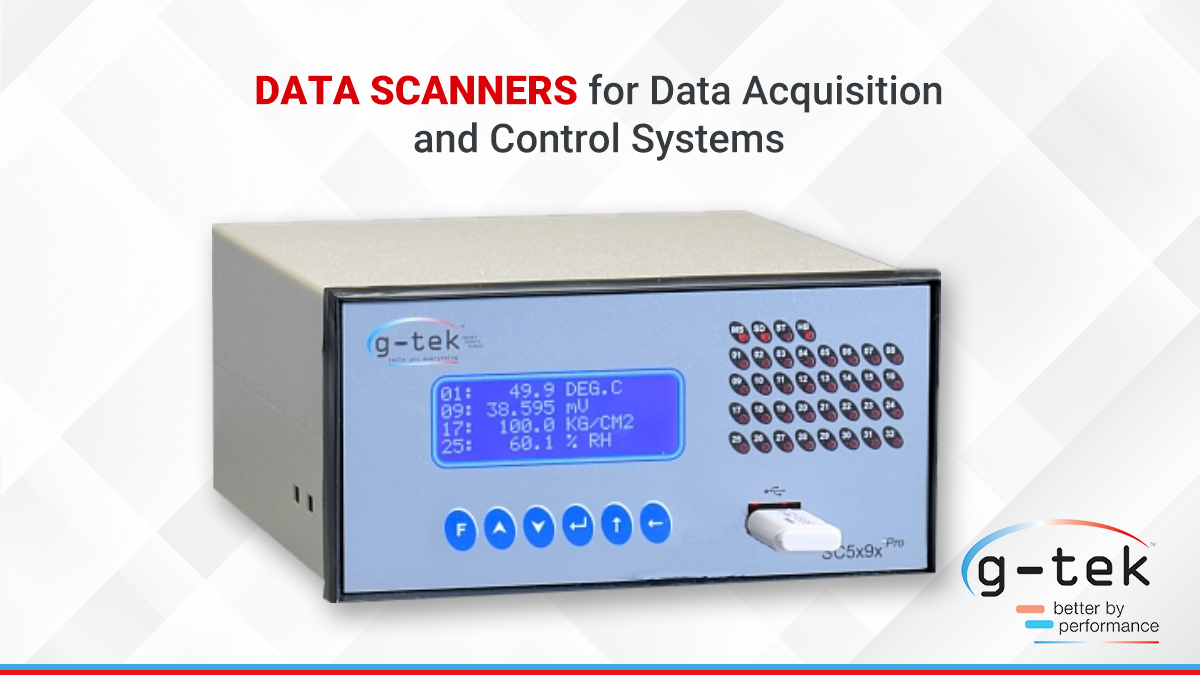
temperature is one of the crucial parameters everyone deals with in their lives. Besides machines…
Uses Of A Temperature Scanner
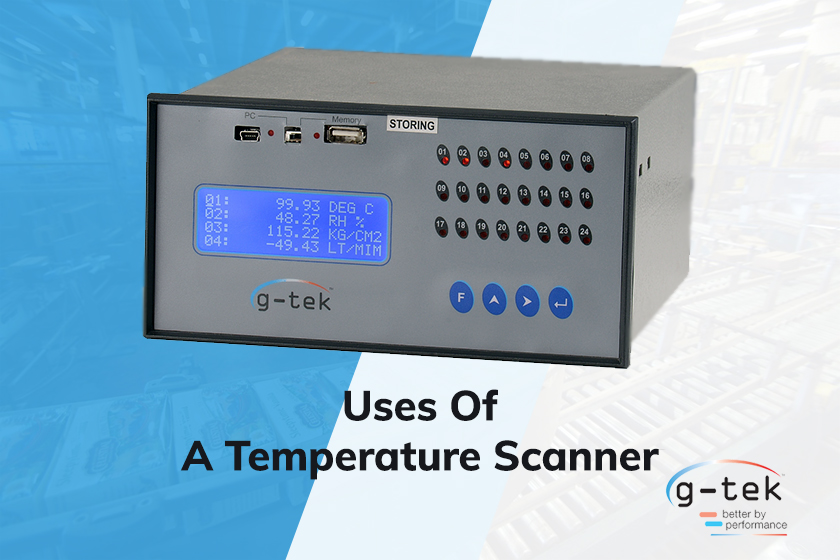
Temperature scanners work on the same principle as commonly used temperature measuring instruments like thermometers. The main difference is that a temperature scanner can measure multiple temperature points at the same time and display them in one location. This is very convenient for factories or heavy machinery because it eliminates the need for multiple temperature scanning devices throughout the factory and displays the temperatures of various departments or machines on a single screen.
Related Topic: Features Of A Multichannel Temperature Scanner
Most temperature scanner systems automatically scan all active zones and display information accordingly but an option to scan the temperature manually at a particular location is also included. Here are some applications of this precisely manufactured machine:
- Monitoring of motors and generators.
- Monitoring of voltage transformers.
- Monitoring of compressors, pumps, and DG sets.
- Remote module for I/O
- Switching a system on or off from multiple points
- Monitoring of electricity substations
- Circuit control during pipeline heat tracing
Features of Multichannel Temperature Scanners
- Multi-Point Monitoring: Measure several temperature zones at once, displayed on a single screen.
- Automatic & Manual Scanning: Auto-scans all active zones, with manual override for specific locations.
- Relay Outputs: Enable remote control of processes (switching systems on/off).
- SCADA/DCS/PLC Compatibility: Seamless integration with industrial automation systems.
- Environmental Parameters: Modern scanners also track humidity, airflow, and pressure.
- Programmable Settings: Adjustable scan rate (2–60 seconds), selectable units (°C/°F), and thermocouple types (J, K, T, E).
- Microprocessor Control: Ensures accuracy and flexibility in industrial applications.
Industrial Applications
- Motors & Generators: Prevent overheating and equipment failure.
- Voltage Transformers: Monitor load and prevent breakdowns.
- Compressors & Pumps: Ensure safe operation under varying conditions.
- DG Sets: Track performance and prevent costly downtime.
- Electricity Substations: Monitor circuits and pipeline heat tracing.
- Cleanrooms & Pharma Plants: Maintain controlled environments for compliance.
Benefits
- Cost Savings: Eliminates need for multiple devices across departments.
- Space Efficiency: Consolidates monitoring into one system.
- Reliability: Protects expensive machinery from damage.
- Versatility: Suitable for almost all industrial sectors.
- Compliance: Supports audit-ready monitoring for regulated industries.
Almost all types of industries use thermal scanners due to their versatility and efficiency. They are ideal for monitoring and protecting expensive and temperature-sensitive machinery in factories of all types and sizes. A very useful functionality most temperature scanners have is the ability to remotely control processes through relay outputs and communication ports that are compatible with SCADA, DCS, and PLC.
Nowadays modern thermal scanners can not only measure temperature but also other environmental parameters such as humidity, airflow, air pressure, etc. that commonly affect machinery or production processes. Every temperature scanner has a microprocessor inside it which allows it to perform useful actions. For example, the default unit for displaying temperature can be changed to °C or °F and the thermocouple unit can be programmed for J, K, T, or E units. The scan rate, that is the frequency with which the scanner makes readings can be altered too and any time period of 2-60 seconds can be chosen.
Thus, temperature scanners are highly useful monitoring devices that are an essential part of most factories across different industrial sectors. By allowing temperatures (and some other variables) in multiple different locations to be read simultaneously, the temperature scanner reduces production and running costs as well as saves space within the factory.
FAQ
What is a temperature scanner?
A temperature scanner is a device that measures multiple temperature points simultaneously and displays them on a single screen, ideal for factories and industrial setups.
How is it different from a thermometer?
Unlike a thermometer, which measures one point, a temperature scanner monitors multiple zones at once, saving time and resources.
What industries use temperature scanners?
They are widely used in pharma, food, manufacturing, power plants, and cleanrooms for compliance and efficiency.
Can temperature scanners measure other parameters?
Yes, modern scanners also measure humidity, airflow, and pressure, making them versatile monitoring devices.
How do they integrate with factory systems?
Temperature scanners connect via relay outputs and communication ports, compatible with SCADA, DCS, and PLC systems for automation.
Related Posts