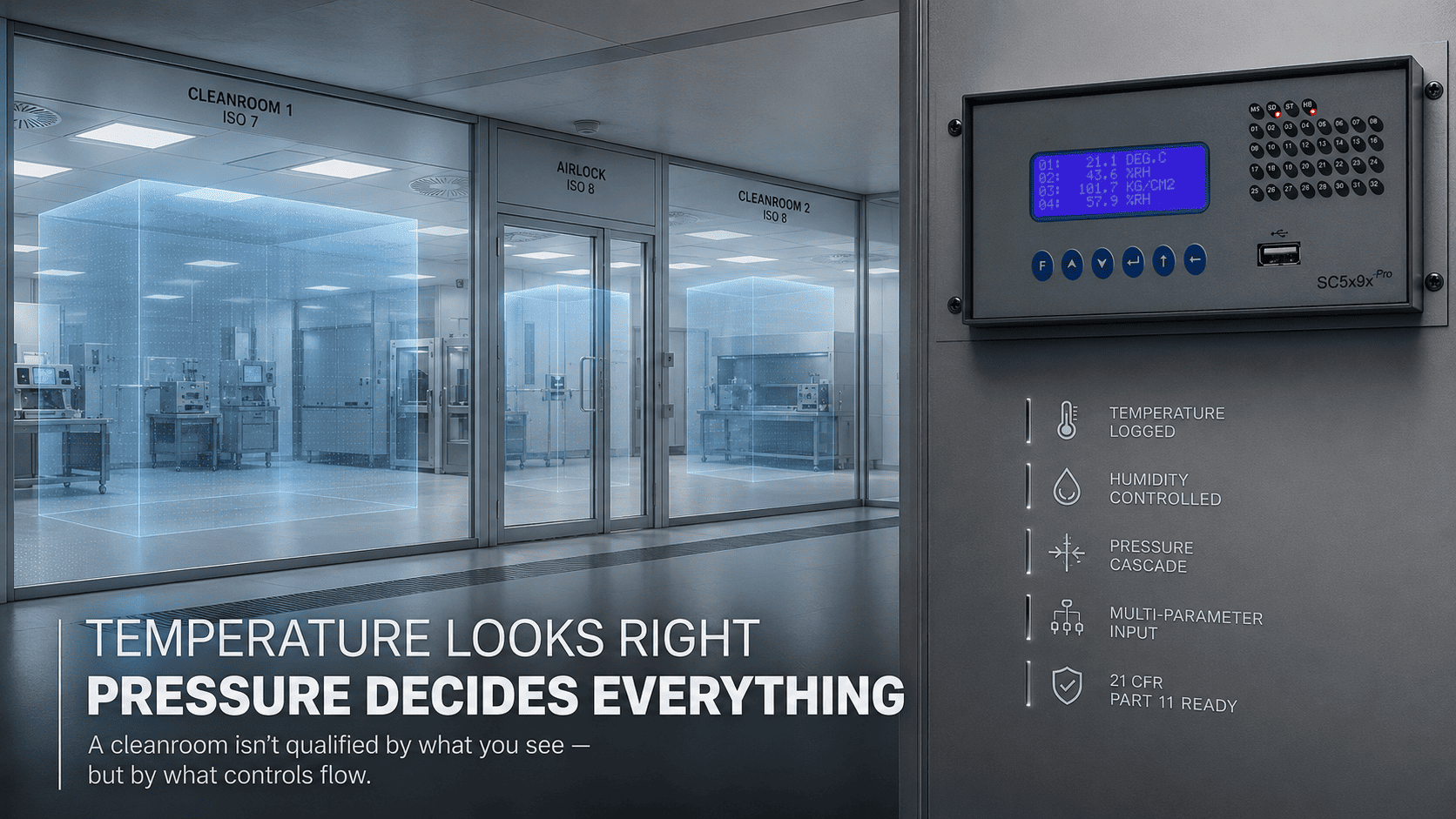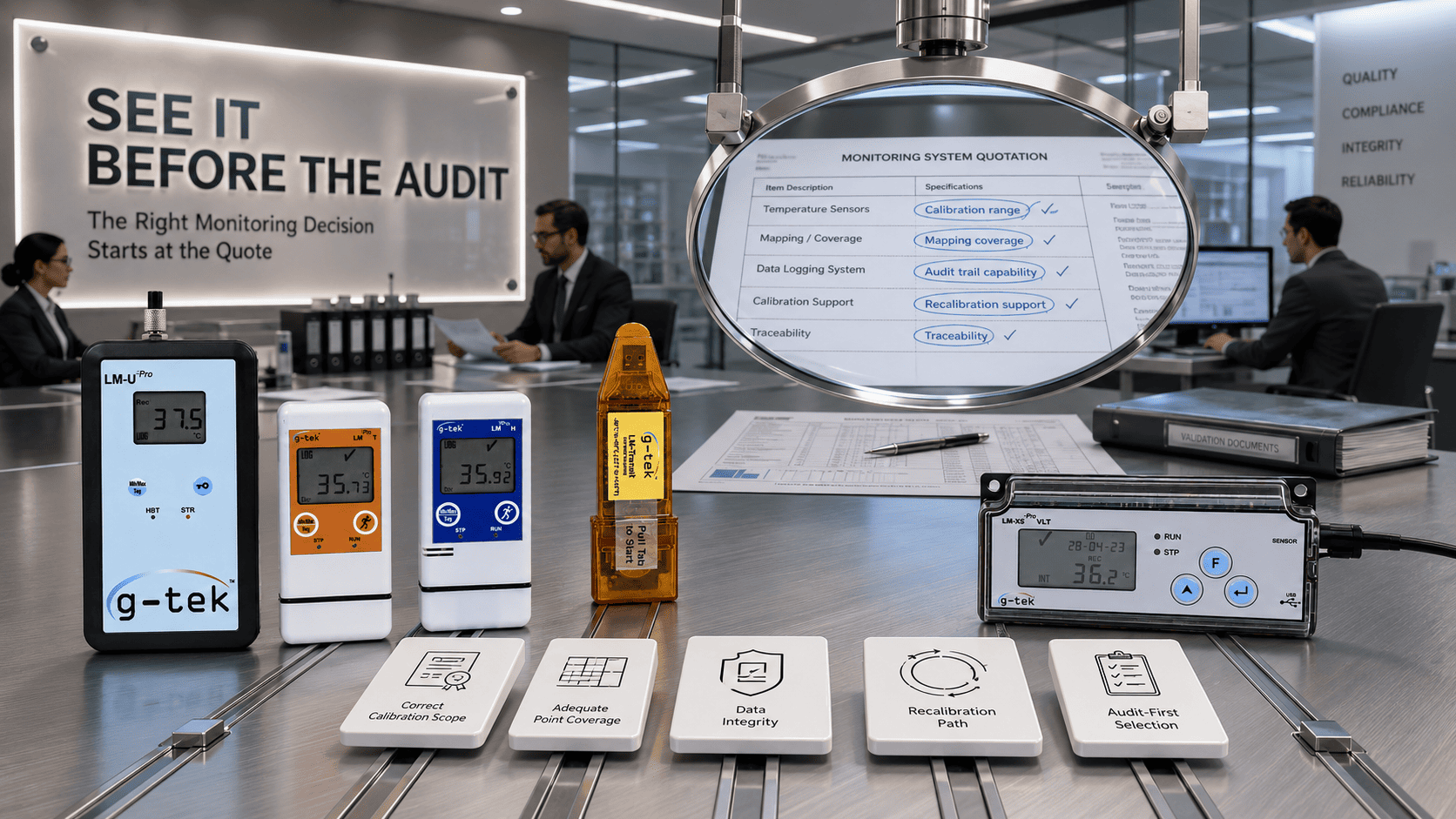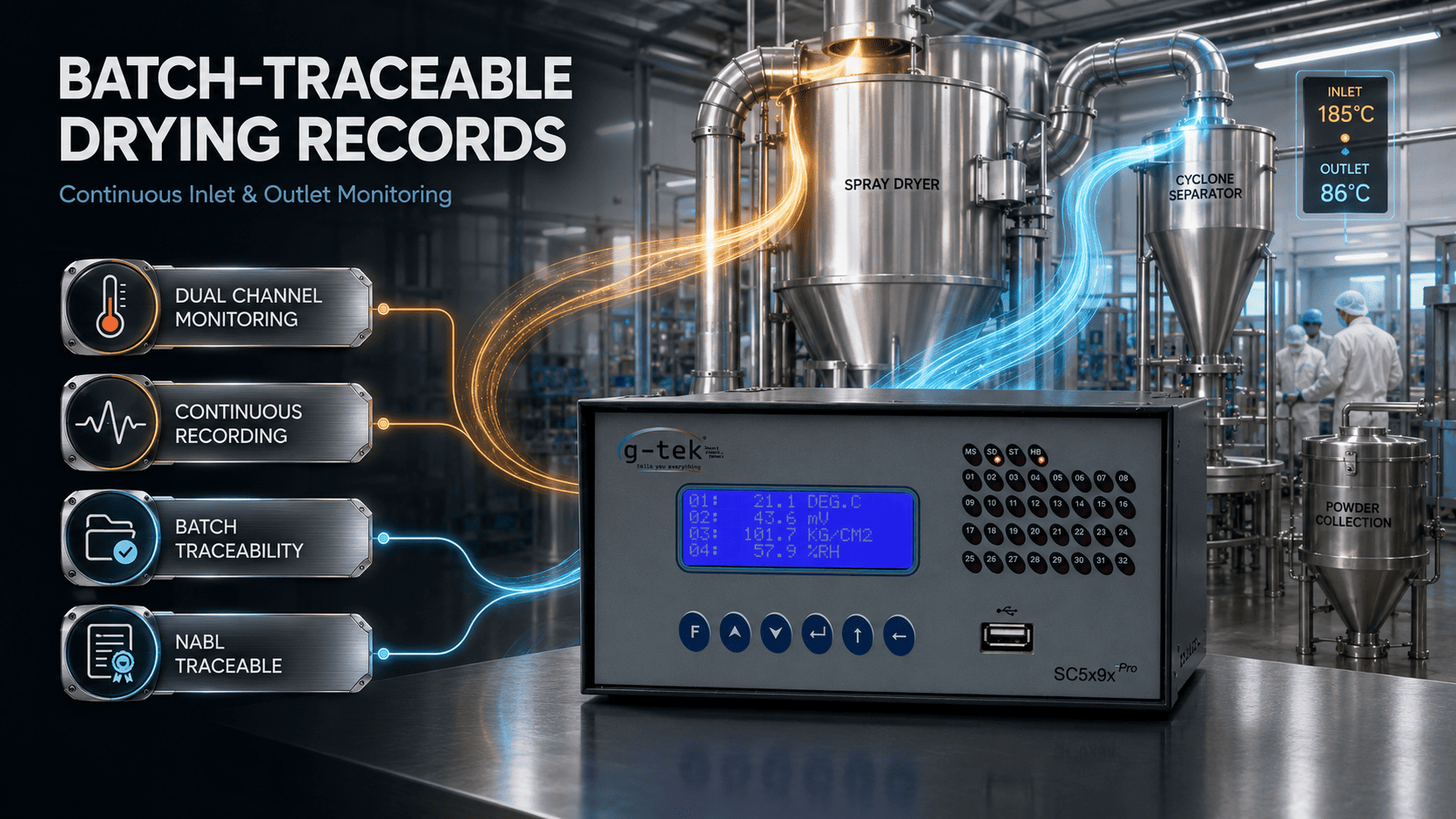
A validation engineer walks a pharma auditor through a freshly qualified cleanroom. Temperature? Documented. Flawless…
View real time data in different formats on our paperless recorder
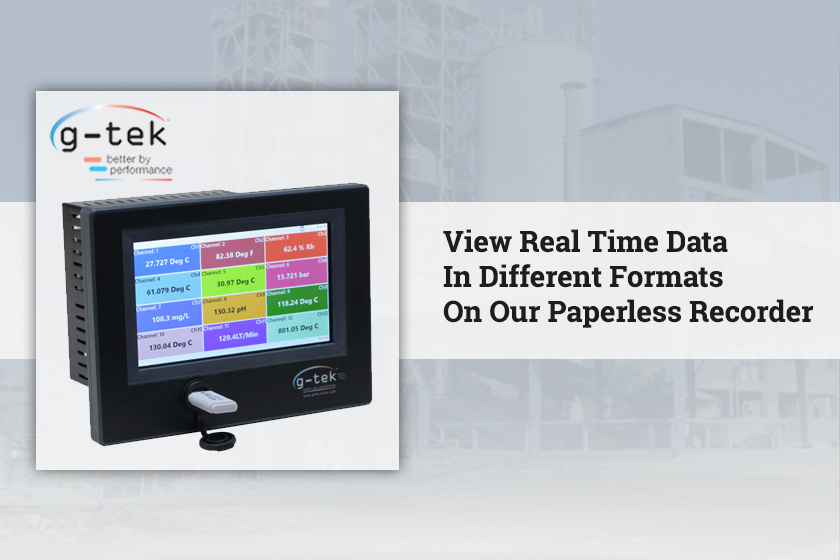
The paperless recorder gives real-time data having multifold benefits. This is one of the best products for the market as it serves the purpose of acquiring high-quality data. It ensures that data is stored and represented well in real-time in different formats in digital form.
Key Features of Paperless Recorders
- Real-Time Data: Continuous acquisition and display of parameters.
- Multiple Formats: Data can be viewed in graphs, tables, and digital charts.
- Smartphone-Like Interface: Touchscreen with intuitive navigation.
- High-Resolution LCD: Clear visualization for operators and managers.
- Digital Storage: Eliminates paper, pens, and manual chart handling.
- Easy Analysis: Quick access to historical data for compliance and audits.
- Cost Savings: No recurring expenses for paper, ink, or chart storage.
- Low Maintenance: Reduced setup time and fewer mechanical issues compared to paper recorders.
Why use a Paperless Recorder
People are moving away from the traditional paper recorders which were core engineering tools for data recording and analysis. Nowadays, the preferred tool is paperless recorders because of convenience. As it is digital in nature, it allows the electronic storage of data. It enables quick and extensive analysis of data. It eliminates the drawbacks of paper recorders.
Our paperless recorder serves the industry requirements as it can give real-time data in different formats. Our paperless recorders provide data acquisition and monitoring of high quality. It will give the best in class data analysis and other related facilities.
Benefits Over Traditional Paper Recorders
As said earlier, there are multifold benefits of paperless recorders. One of the many benefits, it overcomes the drawbacks of traditional paper recorders. It is flexible in nature as it gives the users more options on data recording and analysis. The most important point is that it provides data in different formats.
- Accuracy: Eliminates errors caused by fluctuating paper charts.
- Convenience: Data stored electronically for easy retrieval.
- Reliability: NABL-traceable calibration ensures compliance.
- Flexibility: Multiple options for recording and analysis.
- Affordability: Lower long-term costs compared to paper-based systems.
Paperless recorders are far more affordable than paper recorders. It eliminates the time-consuming process and takes less effort than a paper recorder. It avoids a lot of trouble like changing the charts, catalogs, wages of laborers, and chart storage. The other cost factors like charts, pens, and paper, paper jams, paper replacements, etc. are mitigated by paperless recorders. Paperless recorders also save a lot of time as there is a lesser need for regular maintenance, setup time, and issues arising from inaccurate paper recorders.
Data storage and analysis is also important issue. It is even costly to process and save data from a paper recorder as it requires a manual process. It has to be written and saved in that format for later analysis. Data analysis features enable the users to quickly view and study the data which is far more convenient than a paper recorder.
The majority of people today prefer paperless recorders which are accurate, cheaper, timely, and highly reliable. It has a smartphone-like feature, a high-resolution LCD, and a touch screen. It has the ability to give real-time data and more analysis options which reduces the efforts, and more focus on the real subject. It avoids other drawbacks of the paper recorder and gives reliable data to the users. It gives real-time data in different formats as per the requirements of the user.
Paperless vs Paper Recorders
| Feature | Paperless Recorder | Paper Recorder |
|---|---|---|
| Data Format | Digital (graphs, tables, charts) | Paper charts |
| Accuracy | High, reliable | Prone to errors |
| Storage | Electronic, audit-ready | Manual chart storage |
| Cost | Lower long-term | Higher recurring costs |
| Maintenance | Minimal | Frequent paper/pen replacement |
| Ease of Use | Touchscreen, smartphone-like | Manual handling |
| Compliance | Automated, audit-ready | Manual documentation |
Related Posts